
Blog
Moroccan Leather Styles


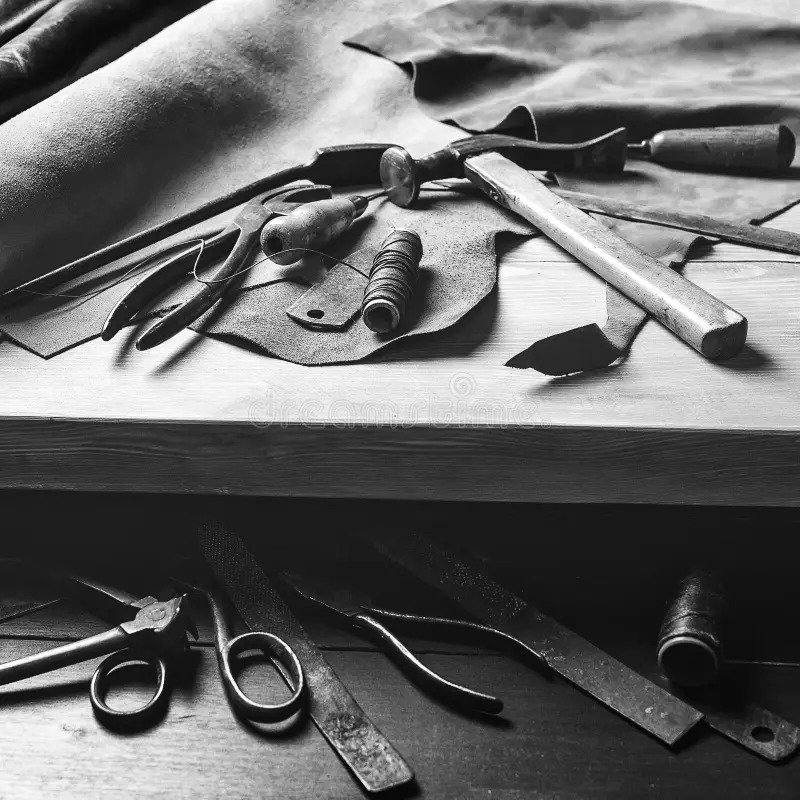
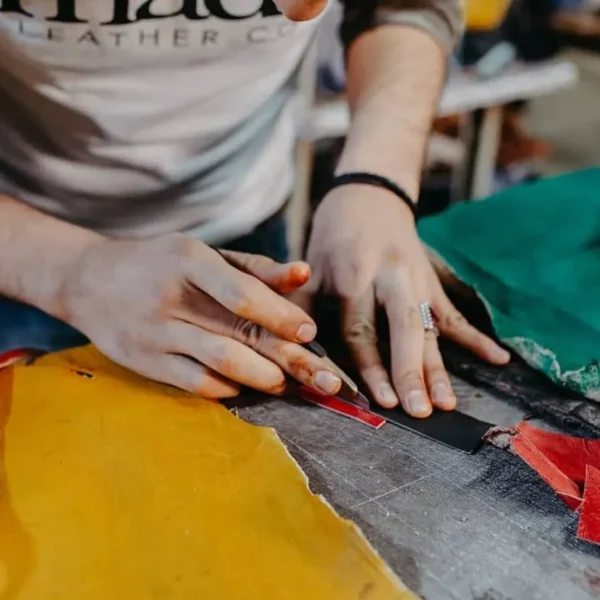
Leather craftsmanship in Morocco is more than a craft—it’s a reflection of centuries of culture, geography, and artisan skill. Different regions of Morocco have developed their own distinctive approaches to leatherworking, from tanning techniques to patterns, textures, and bag designs.
At Tewtiw, we celebrate these regional traditions in every handmade leather bag, connecting modern use with historical craftsmanship.
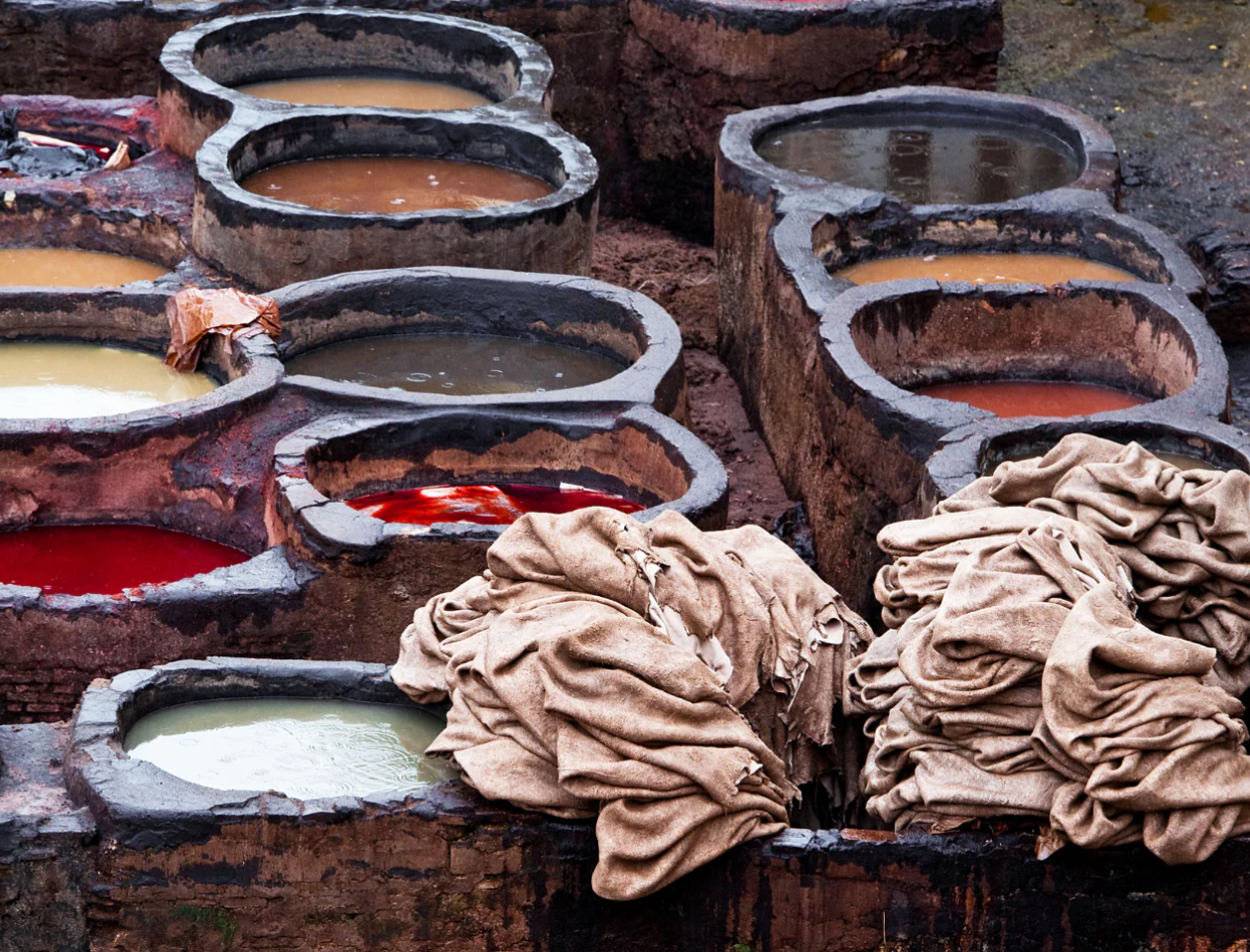
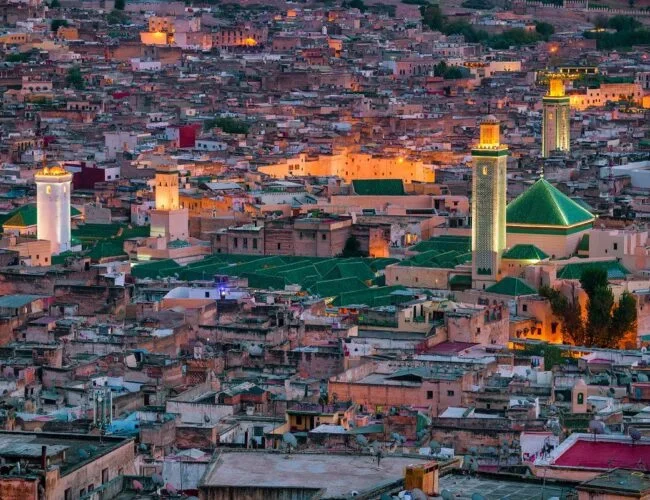
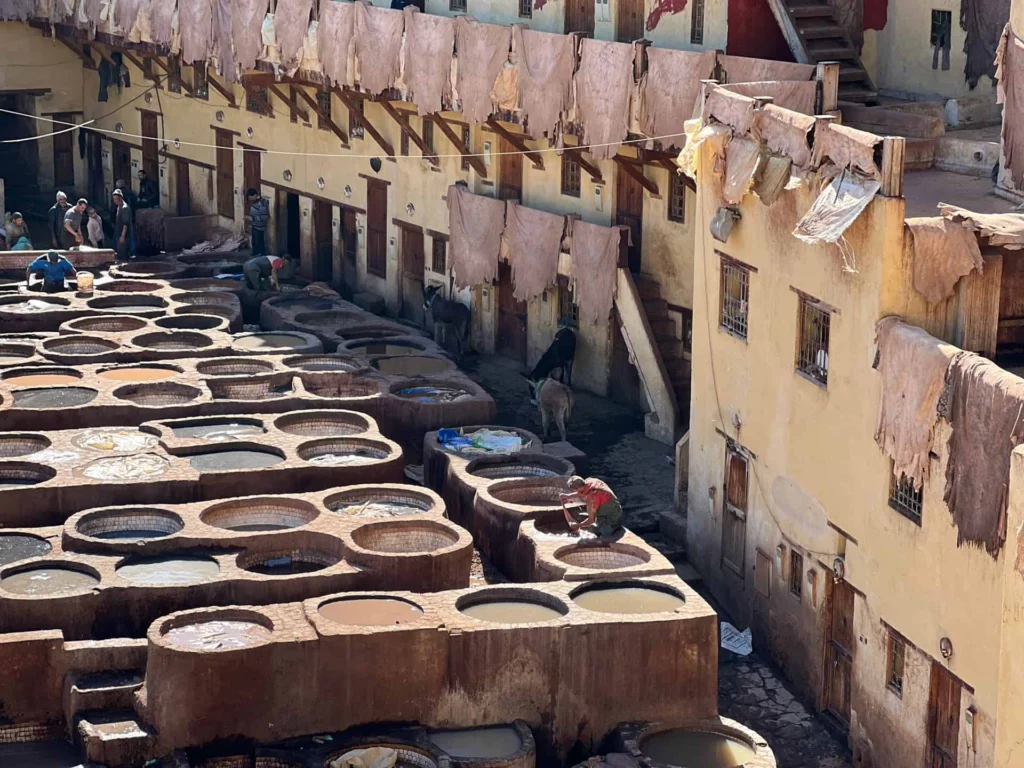
The city of Fes has been a hub of leatherworking for centuries. Its tanneries and workshops are world-renowned, producing hides through traditional methods.
Key characteristics of Fes leatherwork include:
Vegetable-tanned leather using natural plant-based materials
Full-grain hides that retain natural scars and markings
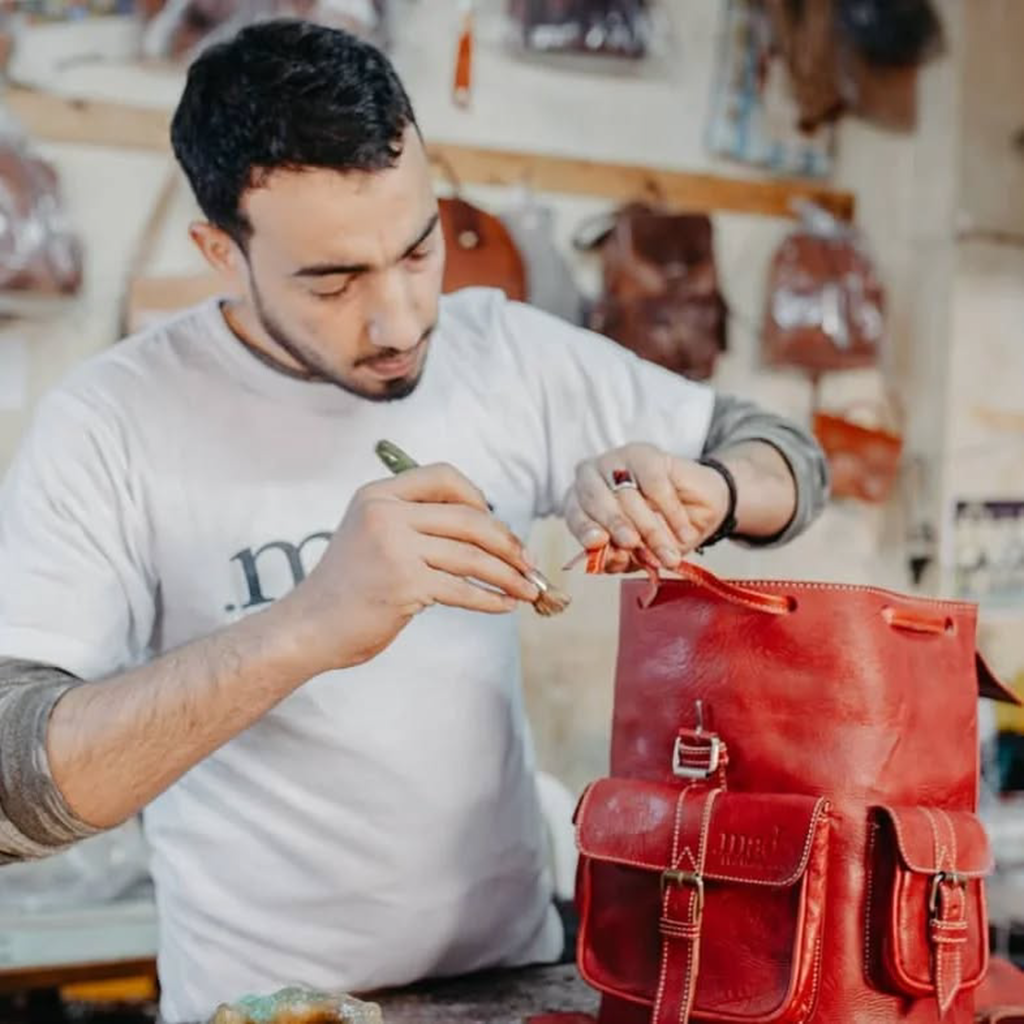
Durable, hand-stitched construction
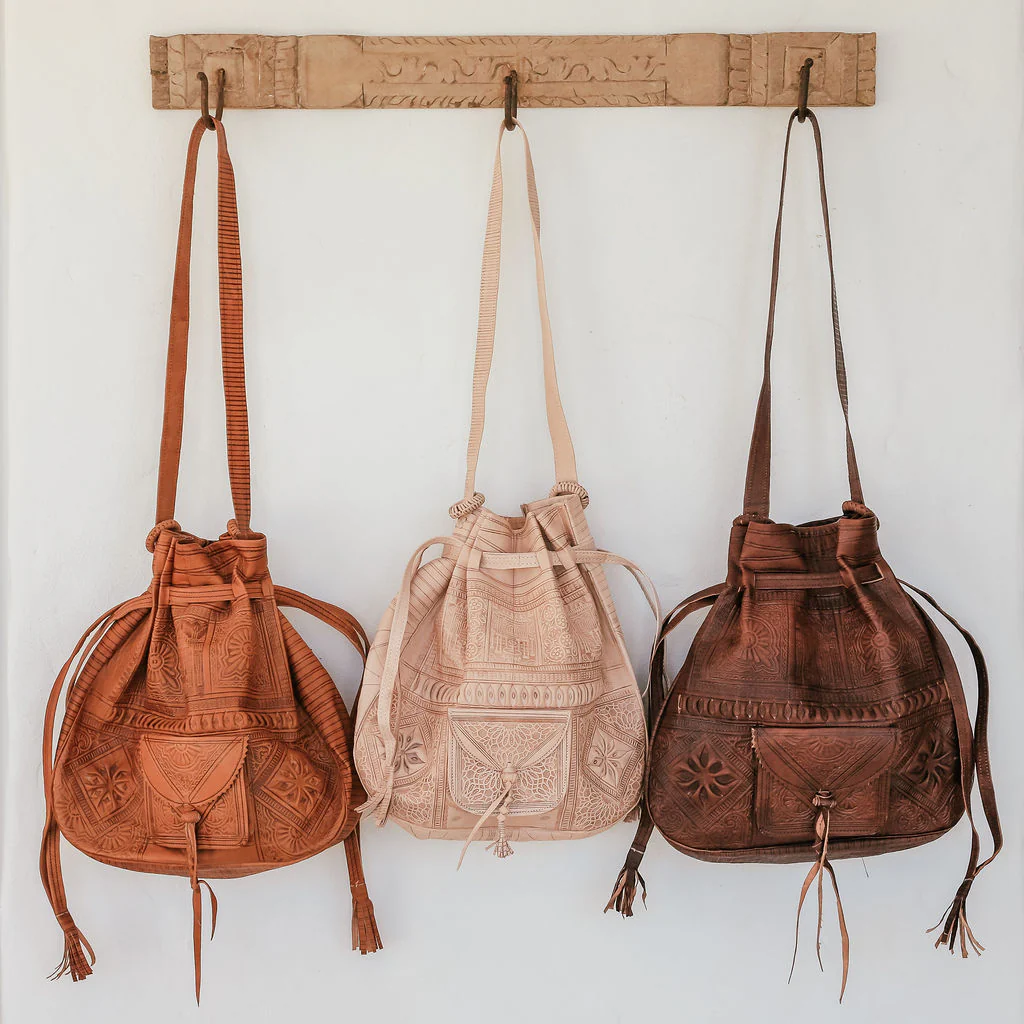
Decorative techniques such as engraving, embossing, and hand-painting
Fes artisans focus on combining functional durability with aesthetic beauty, creating bags that are practical yet reflect centuries of tradition.
Moroccan leather is tanned using manual, natural methods that have been practiced since medieval times:
Initial Soaking (2–3 days): Hides are soaked in a natural mixture of cow urine, lime, salt, and water to remove hair and fat.
Softening with Ammonia: Hides are then softened in pigeon droppings, which contain ammonia, making them pliable for dyeing.
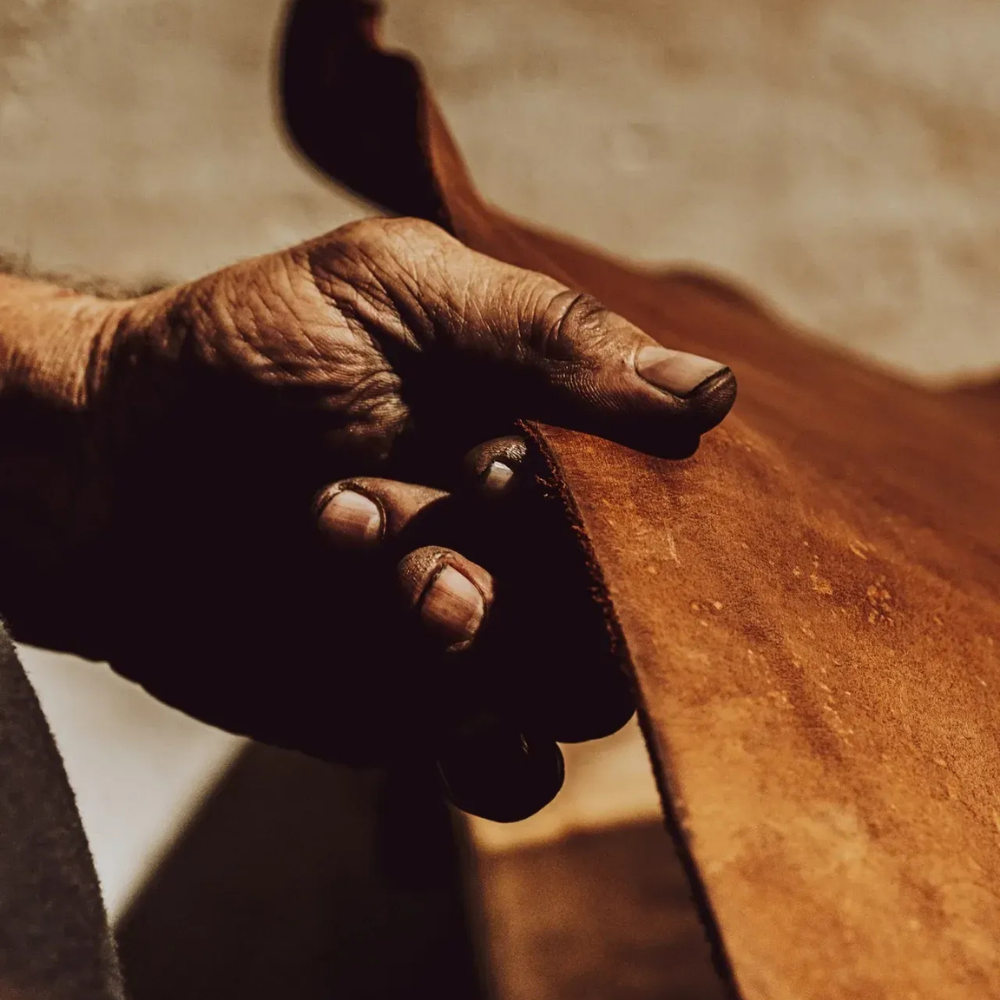
Daily Beck Trampling (6:00–14:30): Artisans trample the hides barefoot until they achieve the desired softness.
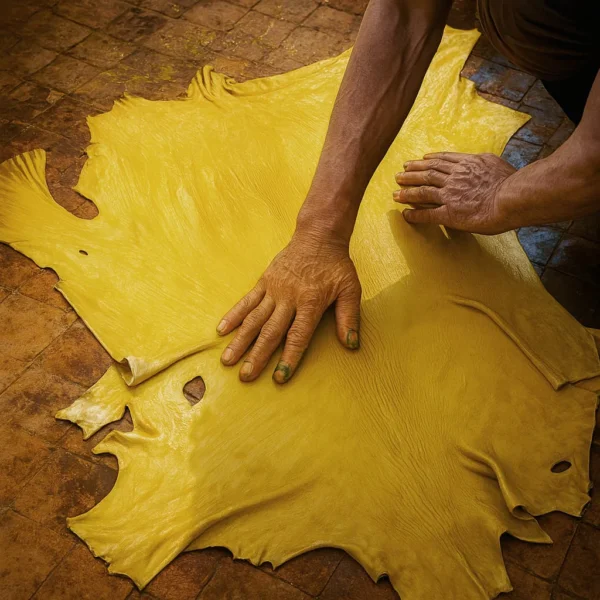
Natural Dyeing: Plant-based dyes like poppy, mint, indigo, henna, and pomegranate are used to create vibrant, lasting colors.
Final Drying: Hides are left to dry naturally under the sun before being crafted into products.
This multi-week process produces supple, durable leather that forms the foundation of Tewtiw’s handmade bags.
Decorative Techniques in Moroccan Leather
Moroccan artisans also use decorative techniques to enhance the beauty of leather:
Embossing – Raising designs into the leather surface
Engraving – Creating patterns with hand tools
Hand Painting – Applying natural dyes and pigments to create patterns and accents
Each piece reflects the artisan’s skill and regional influences, ensuring that every bag is one-of-a-kind.
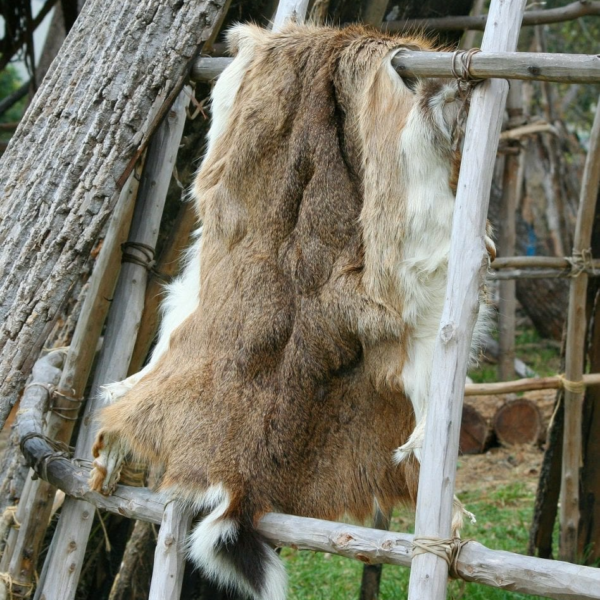
In the 16th century , tanners discovered Moroccan goat leather . They adopted the tanning and dyeing methods and named it “Maroquin leather” after Morocco .
Today, Tewtiw continues to honor this legacy , producing bags that maintain the qualities that made Moroccan leather famous worldwide : durability , beauty , and authenticity .
No account yet?
Create an Account